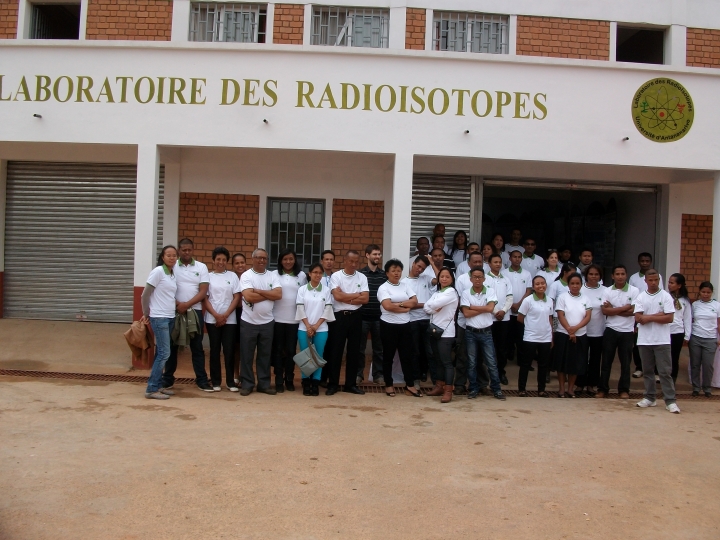
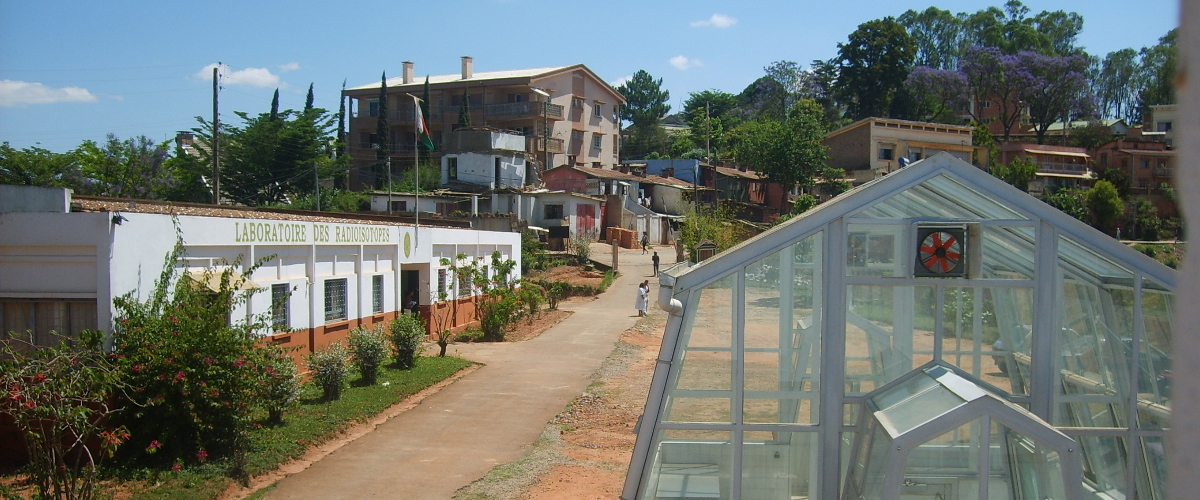



The Radioisotope Laboratory is a research laboratory directly attached to the Presidency of the University of Antananarivo. The laboratory carries out various high-level scientific research activities, training and expertise in two major fields: medicine and agronomy.
In the medical field, the disciplines we study are primarily biophysics and physiology . Our research activities are based on the use of isotopic techniques applicable in nuclear medicine and the use of stable isotopes: in vitro studies of labeled red blood cells in patients with polycythemia, exploration of clearances and compartments, in vitro confirmation of occult gastrointestinal bleeding using isotopic techniques, and other isotopic techniques such as those for hormones (T3, T4, TSH, insulin, proinsulin peptide (RIA or IRMA assay), tumor markers (CA 15-3, thyroglobulin, etc.)), in other medical fields (nutrition, cardiology, diabetology, etc.). These activities are conducted in partnership with the Faculty of Medicine and other financial partners such as the IAEA.
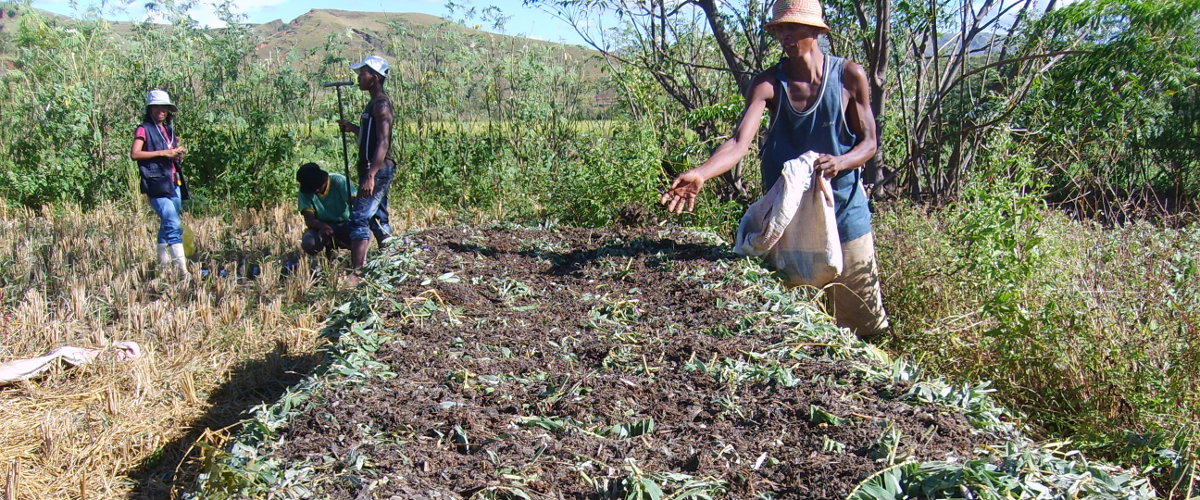
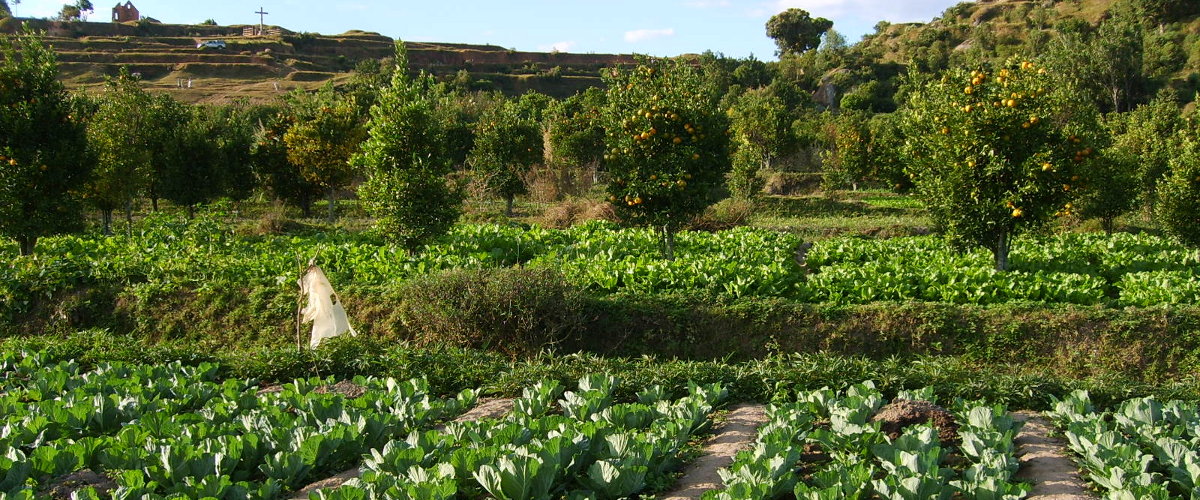
For the agronomy component, the disciplines studied are primarily soil science, environmental science, soil biology and ecology, agronomy, and forestry . Research activities mainly focus on three areas:
- The "soils and climate change" axis: where we study the impacts of different land uses and agricultural practices on carbon sequestration in soil and biomass. We study the parameters that control this sequestration at different scales.
- The "nutrient bioavailability" axis: where we study the processes of making soil nutrients available to the plant through the improvement of cultivation practices and the use of different soil-root-plant interactions.
- The " soil biology" research area, which is transversal to the two previously mentioned areas, studies the role of different soil organisms (soil fauna, microregulators, and soil microorganisms) in making nutrients available to plants and in mitigating climate change through their actions on the carbon cycle. We conduct this research area in close collaboration with the IRD's Eco&sols Joint Research Unit.
To this end, we use various methodological tools such as modeling and mapping at different scales (regional, national, local and plot) and we participate in the development of methodological tools for decision-makers or civil society for better appropriation of the results from our research work (case of REDD+ or the 4 per thousand initiative).
We conduct our research activities through collaborative research projects and annually host around ten doctoral students and twenty Master's students on the aforementioned topics.
We have a highly functional analytical platform for various soil and plant analyzes and a team of skilled technicians to carry out these analyses.